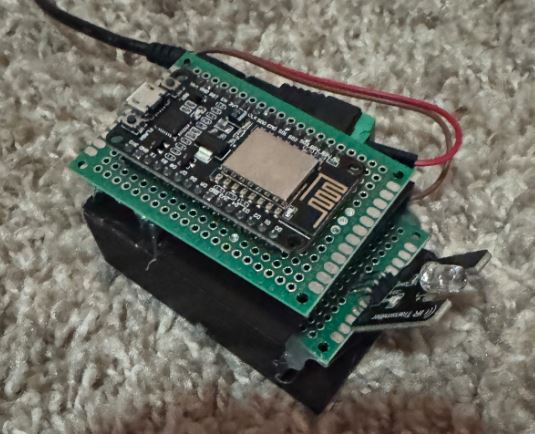
This module consists of two ESP8266 microcontrollers, each serving a distinct purpose in a smart home automation setup. The module integrates various technologies such as webhooks, IFTTT, Blynk, Google Home, and Roku's API to provide seamless control over your devices.
ESP8266 #1: IR Transmitter Controller
This ESP8266 is responsible for sending infrared (IR) signals to control devices such as TVs, air conditioners, or other IR-controlled appliances. Key features include:
- IR Transmitter: Connected to an IR LED, this ESP8266 can send precise IR signals to control devices.
- Webhooks Integration: The ESP8266 listens for webhook triggers from services like IFTTT or custom endpoints to send IR signals.
- IFTTT Integration: IFTTT applets can trigger the ESP8266 via webhooks. For example, a Google Assistant command like "Turn on the TV" sends a webhook to the ESP8266, which then sends the appropriate IR signal.
- Blynk Integration: The ESP8266 is connected to the Blynk platform, allowing you to create a custom mobile app interface for manual control.
- Google Home Integration: Voice commands via Google Home can trigger the ESP8266 to send IR signals, such as "Hey Google, turn on the AC."
- WiFi Connectivity: The ESP8266 is connected to your home WiFi network, enabling remote control from anywhere within the network or via the internet.
ESP8266 #2: Roku Controller
This ESP8266 is dedicated to controlling a Roku device using Roku's External Control Protocol (ECP) API. Key features include:
- Roku API Integration: The ESP8266 communicates with the Roku device over the local network, sending commands such as play, pause, home, and more.
- WiFi Connectivity: The ESP8266 is connected to the same WiFi network as the Roku device, enabling seamless communication.
- Webhooks and IFTTT: The ESP8266 can be triggered via webhooks from IFTTT or other services. For example, a webhook can launch a specific app on the Roku or play a specific show.
- Blynk Integration: The ESP8266 is connected to the Blynk platform, allowing you to create a custom mobile app interface for manual control.
- Google Home Integration: Voice commands via Google Home can control the Roku. For example, saying "Hey Google, play Stranger Things on Roku" triggers the ESP8266 to send the appropriate commands.
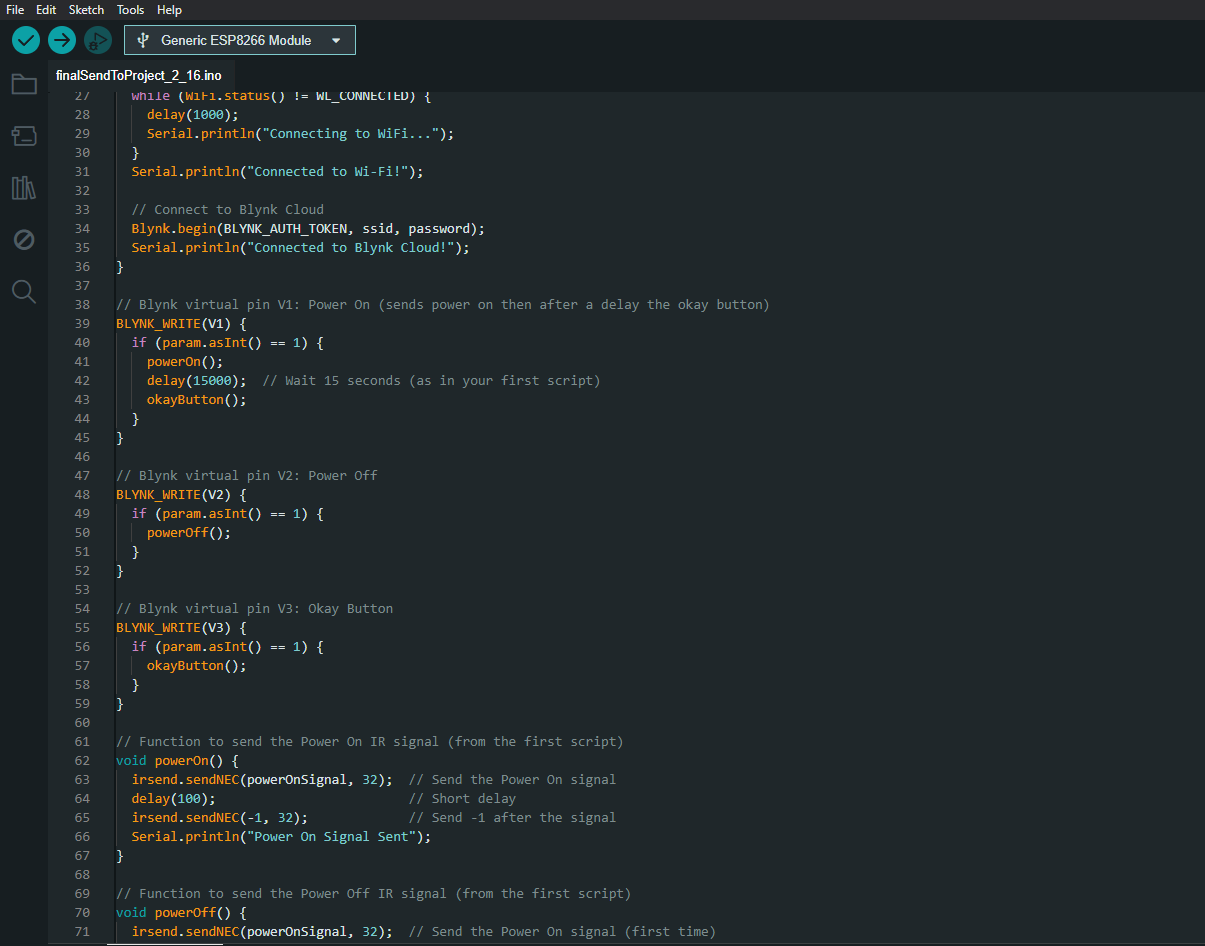
This script is designed to send IR codes using an ESP8266 microcontroller, enabling control of TVs, projectors, air conditioners, and other IR-enabled devices. The ESP8266 is connected to an IR transmitter, which sends precise infrared signals to control these devices remotely. The script integrates with various platforms for seamless automation and control:
- Webhooks: The ESP8266 listens for webhook triggers from services like IFTTT or custom endpoints. When a webhook is received, the script sends the corresponding IR signal to the target device.
- IFTTT Integration: IFTTT applets can be configured to trigger the ESP8266 via webhooks. For example, a Google Assistant command like "Turn on the TV" can send a webhook to the ESP8266, which then transmits the appropriate IR signal.
- Blynk Integration: The ESP8266 is connected to the Blynk platform, allowing you to create a custom mobile app interface with buttons to send IR signals. This provides manual control via a smartphone.
- WiFi Connectivity: The ESP8266 is connected to your home WiFi network, enabling remote control from anywhere within the network or via the internet.
The script is written in Arduino IDE and utilizes libraries like IRremoteESP8266 to handle IR signal transmission. It is highly customizable, allowing you to add new IR codes for additional devices or integrate with other smart home systems.
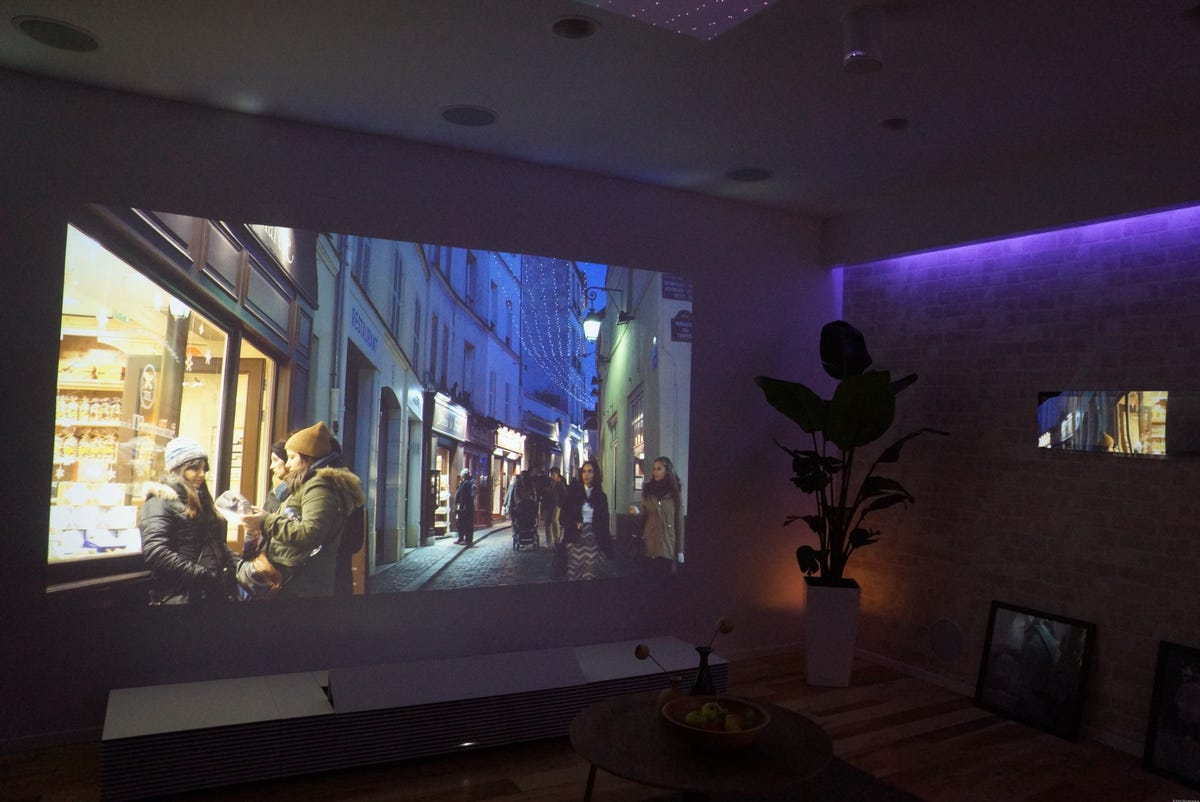
The IR module and API work together to control the projector's power and applications. The ESP8266, equipped with an IR transmitter, sends precise infrared signals to turn the projector on and off, while the API enables seamless integration with smart home systems. This setup allows for remote control via WiFi, voice commands, or mobile apps, providing a convenient and automated experience.
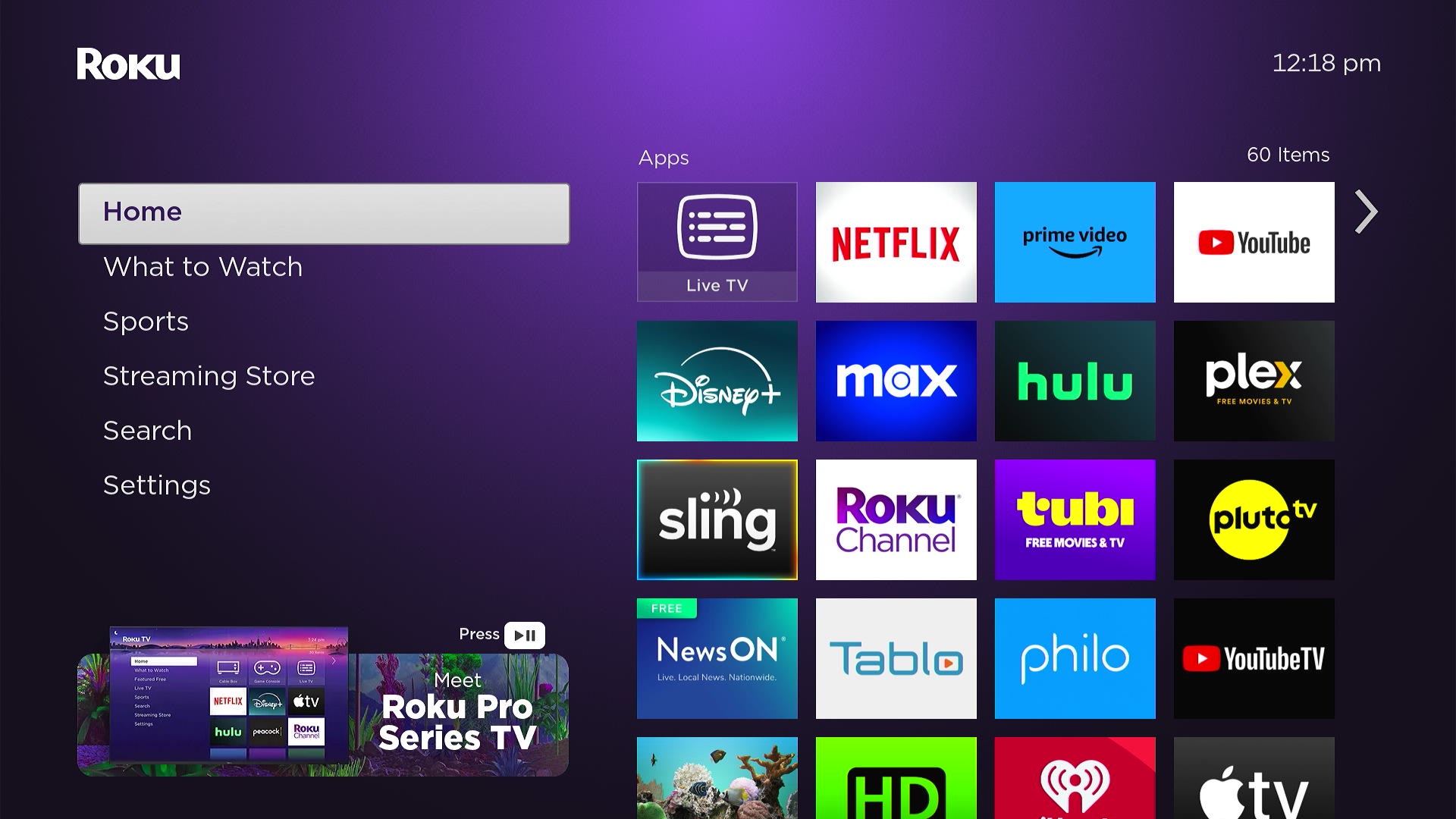
The ESP8266 can control Roku devices, enabling automation of streaming actions such as launching apps, selecting content, and navigating menus. By integrating with Roku's API, the ESP8266 sends commands over WiFi, allowing seamless control through webhooks, voice commands, or mobile apps. This setup enhances the smart home experience by simplifying media playback and navigation.